



Isotope-Labeled Compounds
Isotope-labeled compounds are chemical substances in which some atoms in their molecules are replaced by isotope atoms. The range of stable isotope products can cover from gases to complex molecules. Isotope-labeled compounds could provide a site-specific investigation of structures, making molecules easily detectable by mass spectrometry and NMR, and maintaining the physico-chemical properties of the target molecule at the same time.
MCE isotope-labeled compounds are all stable isotope-labeled compounds and are non-radioactive labeled substances. MCE isotope-labeled compounds are unique tools for identifying and understanding biological and chemical processes. Stable isotope-labeled products are now getting more and more popular among scientists. The scope of application is gradually penetrating into various scientific fields, such as life sciences, food and medicine, agriculture, environment, geology, etc. Stable isotope-labeled compounds have a wide range of applications in the Life Science areas, such as Metabolomics, Proteomics, Clinical studies, Deuterium drugs, etc.
All Product Categories
-
Isotope-Labeled Compounds Related Products (11047)
Related Products (11047)

-
L-Carnitine-d9
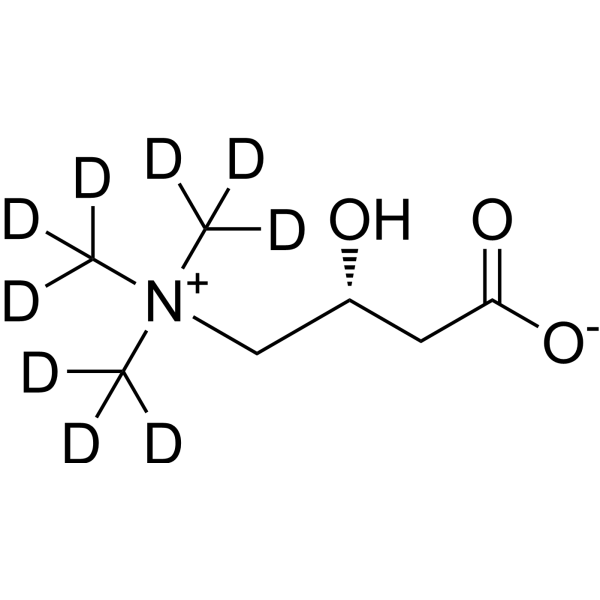 0 ImagesSynonyms: (R)-Carnitine-d9; Levocarnitine-d9L-Carnitine-d9 is the deuterium labeled L-Carnitine. L-Carnitine (Levocarnitine) is an endogenous molecule involved in fatty acid metabolism, biosynthesized within the human body using amino acids: L-lysine and L-methionine, as substrates. L-Carnitine functions to transport long chain fatty acyl-CoAs into the mitochondria for degradation by β-oxidation. L-carnitine can ameliorate metabolic imbalances in many inborn errors of metabolism.
-
α-Vitamin E-d6
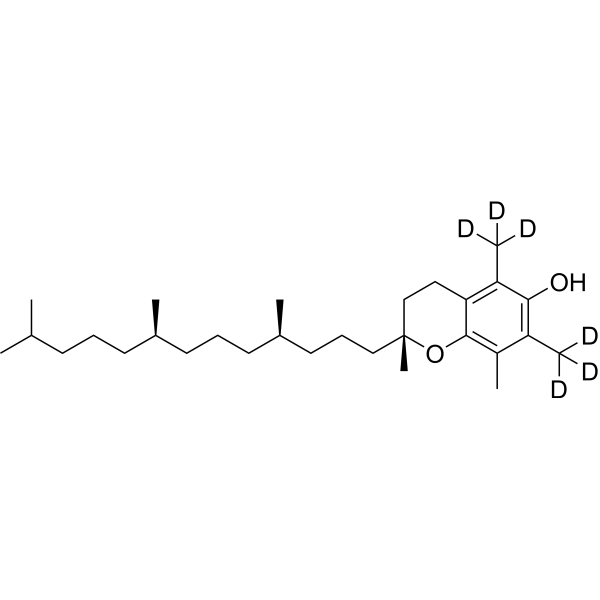 0 ImagesSynonyms: (+)-α-Tocopherol-d6; D-α-Tocopherol-d6α-Vitamin E-d6 is the deuterium labeled α-Vitamin E.
-
γ-Aminobutyric acid-d2
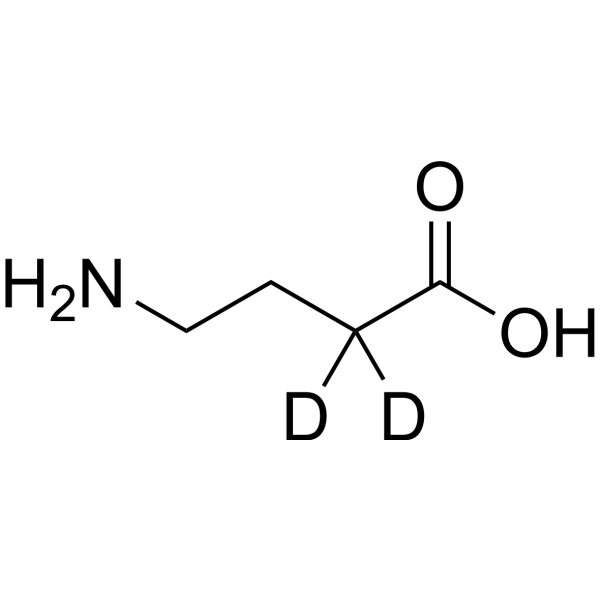 0 ImagesSynonyms: 4-Aminobutyric acid-d2γ-Aminobutyric acid-d2 is the deuterium labeled γ-Aminobutyric acid. γ-Aminobutyric acid (4-Aminobutyric acid) is a major inhibitory neurotransmitter in the adult mammalian brain[1][2], binding to the ionotropic GABA receptors (GABAA receptors) and metabotropic receptors (GABAB receptors)[2].
-
L-Hydroxyproline-d3
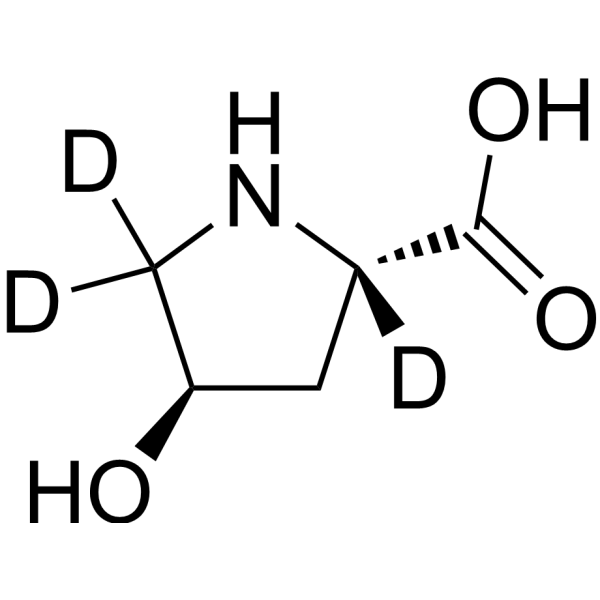 0 ImagesL-Hydroxyproline-d3 is the deuterium labeled L-Hydroxyproline. L-Hydroxyproline, one of the hydroxyproline (Hyp) isomers, is a useful chiral building block in the production of many pharmaceuticals.
-
Cyclosporin A-d4
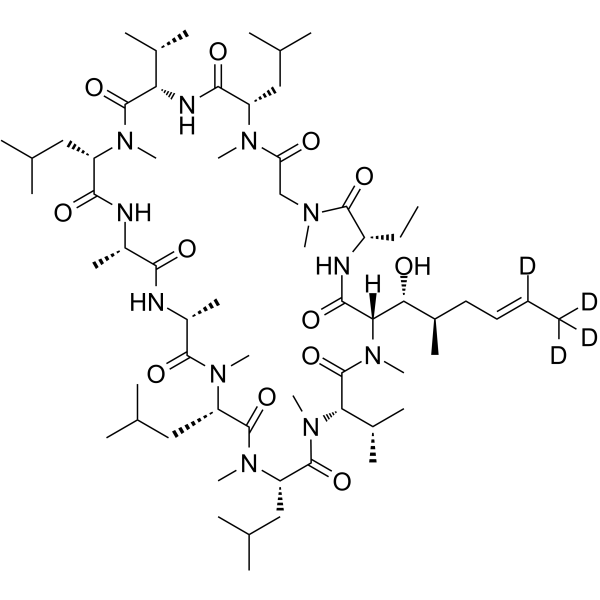 0 ImagesCat. No.: HY-B0579SPurity: 99.88%Synonyms: Cyclosporine A-d4; Ciclosporin A-d4; CsA-d4Cyclosporin A-d4 (Cyclosporine A-d4) is the deuterated-labeled Cyclosporin A (HY-B0579). Cyclosporin A (Cyclosporine A) is an immunosuppressant which binds to the cyclophilin and inhibits phosphatase activity of protein phosphatase 2B (PP2B/calcineurin) with an IC50 of 5 nM. Cyclosporin A is a molecular glue, binds to cyclophilin and calcineurin, leading to inactivation of nuclear Factor of activated T Cells (NFAT) and a subsequent decrease in the immune response. Cyclosporin A also inhibits CD11a/CD18 adhesion.
-
Calcium phosphorylcholine-d9 chloride
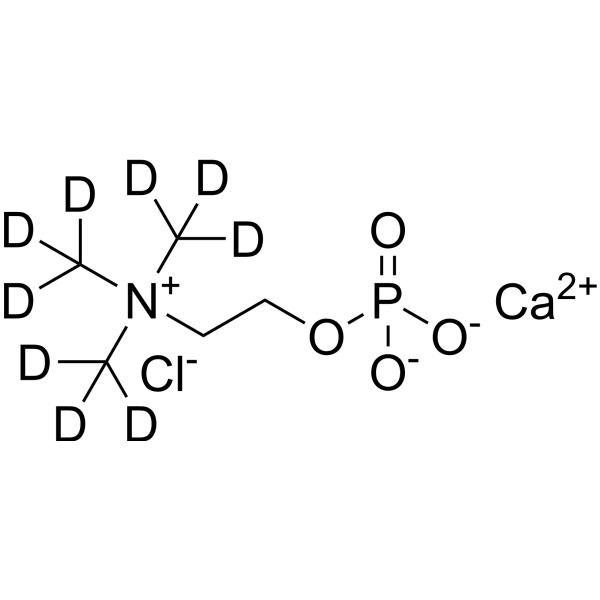 0 ImagesSynonyms: Phosphocholine-d9 chloride calciumCalcium phosphorylcholine-d9 (chloride) is the deuterium labeled Calcium phosphorylcholine chloride. Calcium phosphorylcholine chloride is the main phospholipid component in eukaryotic biofilms. Calcium phosphorylcholine chloride exists in commensal or pathogenic bacteria associated with eukaryotes in prokaryotes. Calcium phosphorylcholine chloride exhibits a surprising range of immunomodulatory properties.
-
Liraglutide-13C5,15N tetraTFA
 0 ImagesCat. No.: HY-P0014S1Liraglutide-13C6,15 tetraTFA is the 13C and 15N labeled Liraglutide (HY-P0014). Liraglutide is a glucagon-like peptide-1 (GLP-1) receptor agonist used for the study of type 2 diabetes mellitus.
-
L-Aspartic acid-15N
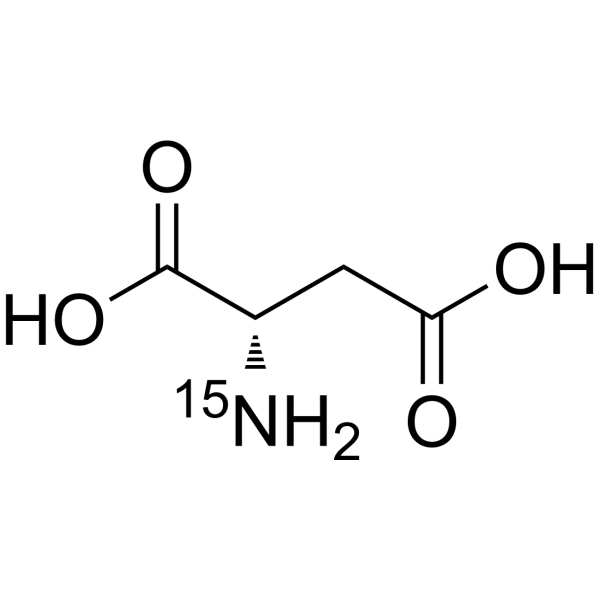 0 ImagesL-Aspartic acid-15N is the 15N-labeled L-Aspartic acid (HY-N0666). L-Aspartic acid is a NMDA receptor agonist and acidic amino acid. L-Aspartic acid has no independent analgesic activity. L-Aspartic acid can antagonize the analgesic effects of D-Aspartic acid and Morphine. L-Aspartic acid regulates polymorph transformation, crystal growth/aggregation and nucleation processes of calcium carbonate, and can serve as a biomineralization template. L-Aspartic acid promotes burst firing of central neurons. L-Aspartic acid can be used in studies related to cerebral ischemia and epilepsy.
-
L-Kynurenine-d4-1 hydrochloride
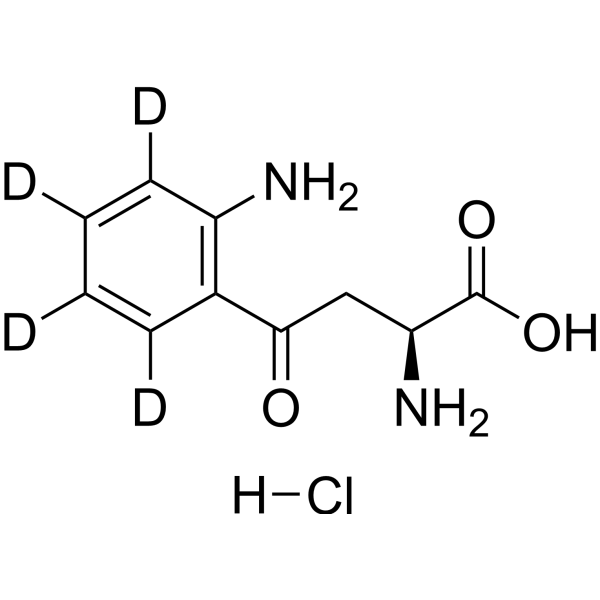 0 ImagesCat. No.: HY-104026S2Purity: 99.58%L-Kynurenine-d4-1 hydrochloride is the deuterium labeled L-Kynurenine (HY-104026). L-Kynurenine is a metabolite of the amino acid L-tryptophan. L-Kynurenine is an aryl hydrocarbon receptor agonist.
-
N-Acetylglycine-d5
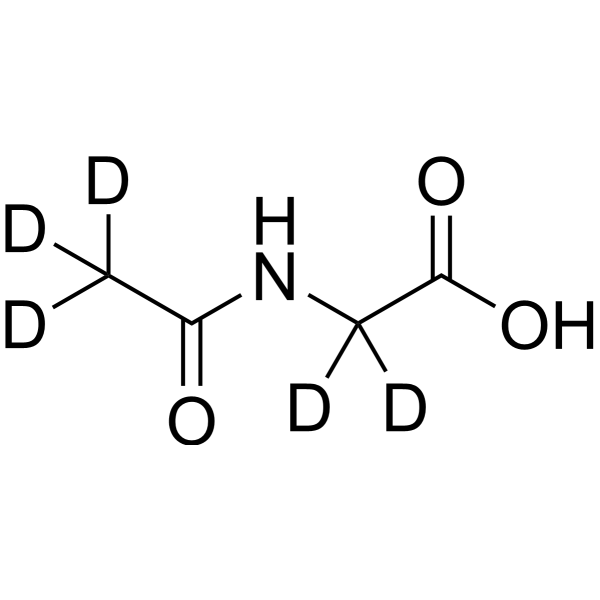 0 ImagesCat. No.: HY-Y0069SCAS No.: 1219805-82-9Synonyms: Aceturic acid-d5; Acetamidoacetic acid-d5N-Acetylglycine-d5 (Aceturic acid-d5) is the deuterium labeled N-Acetylglycine (HY-Y0069). N-Acetylglycine (Aceturic acid) is a minor constituent of numerous foods. N-Acetylglycine is a flavor enhancer which elicits Monosodium glutamate (MSG)-like sensory experiencesN-Acetylglycine.
-
Lyso GB3-d7
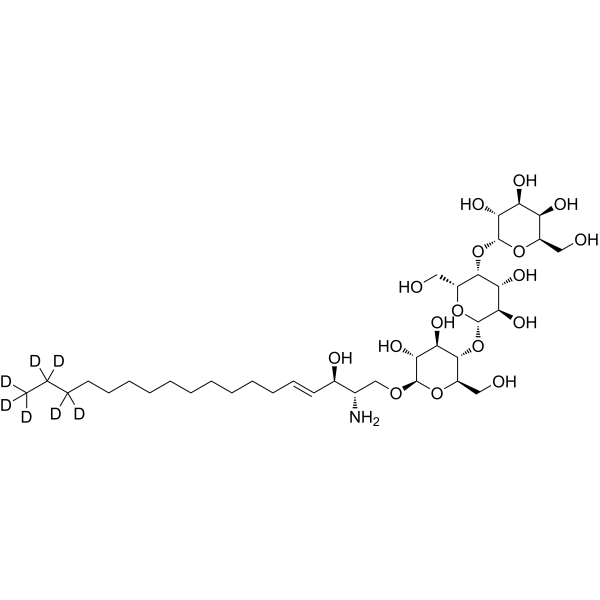 0 ImagesLyso GB3-d7 is deuterium labeled Lyso GB3.
-
Adenosine-15N5
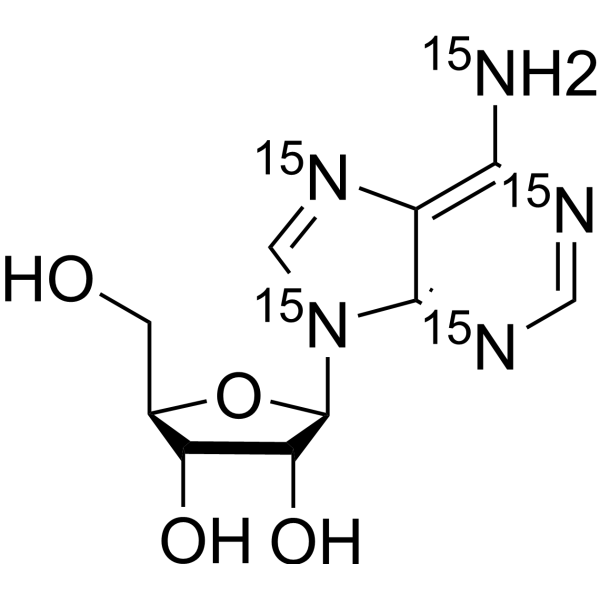 0 ImagesSynonyms: Adenine riboside-15N5; D-Adenosine-15N5Adenosine-15N5 (Adenine riboside-15N5; D-Adenosine-15N5) is the 15N labled Adenosine (HY-B0228). Adenosine (Adenine riboside), a ubiquitous endogenous autacoid, acts through the enrollment of four G protein-coupled receptors: A1, A2A, A2B, and A3. Adenosine affects almost all aspects of cellular physiology, including neuronal activity, vascular function, platelet aggregation, and blood cell regulation.
-
HEPES-d18
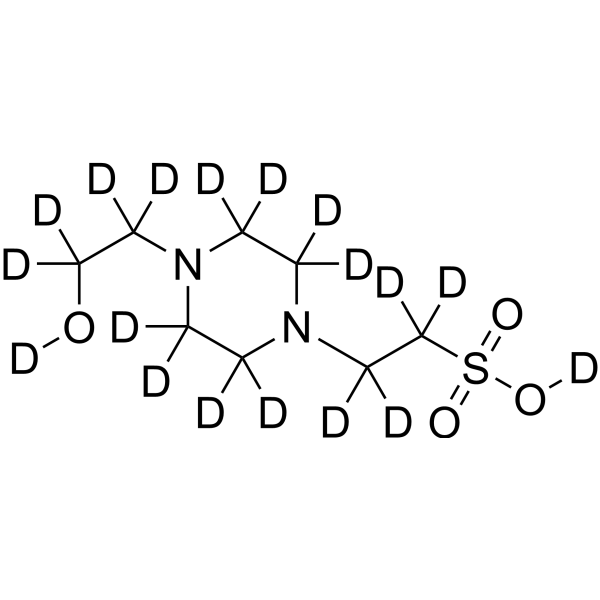 0 ImagesHEPES-d18 is the deuterium labeled HEPES. HEPES, a nonvolatile zwitterionic chemical buffering agent, is broadly applied in cell culture. HEPES is effective at pH 6.8 to 8.2. HEPES is also a potent inducer of lysosome biogenesis.
-
1,1,3,3-Tetraethoxypropane-d2
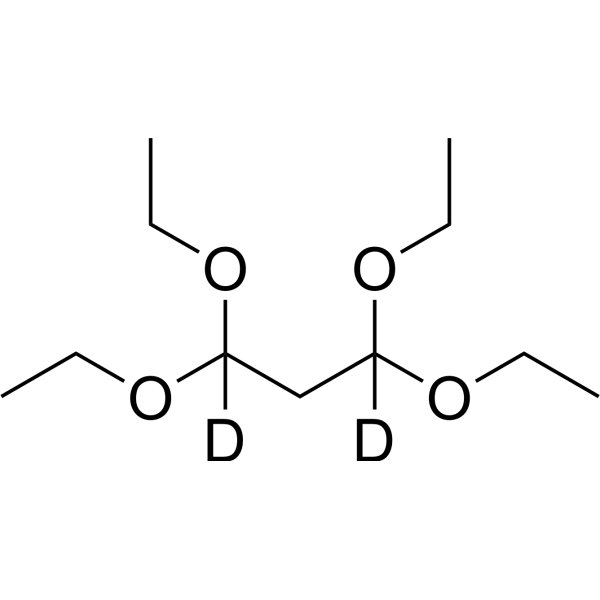 0 ImagesSynonyms: Malonaldehyde Bis(diethyl Acetal)-d21,1,3,3-Tetraethoxypropane-d2 is the deuterium labeled 1,1,3,3-Tetraethoxypropane.
-
D-Alanine-d3
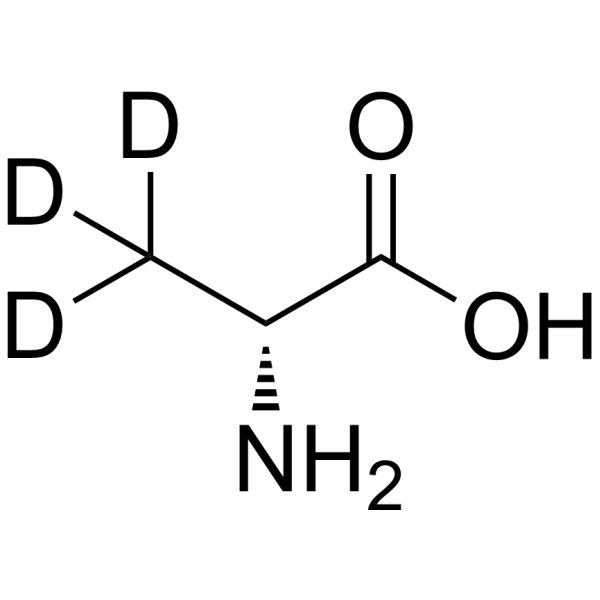 0 ImagesSynonyms: (R)-Alanine-d3; Ba 2776-d3; D-α-Alanine-d3D-Alanine-d3 is the deuterium labeled D-Alanine. D-Alanine is a weak GlyR (inhibitory glycine receptor) and PMBA agonist, with an EC50 of 9 mM for GlyR.
-
Cyclic AMP-13C5
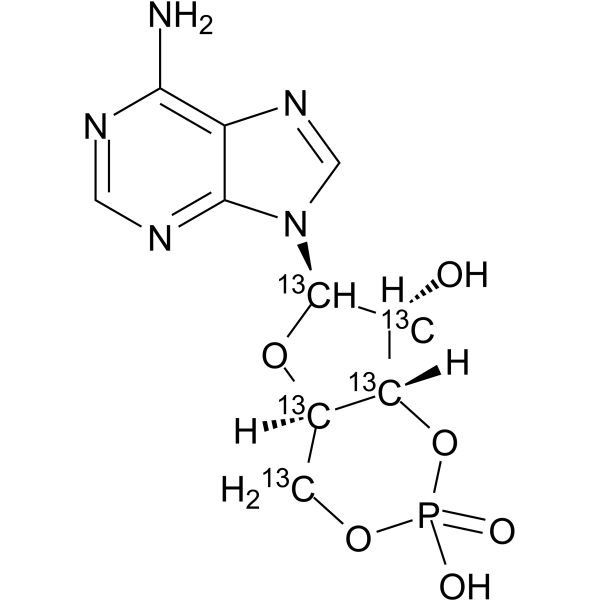 0 ImagesCat. No.: HY-B1511SCAS No.: 2170095-23-3Synonyms: Cyclic adenosine monophosphate-13C5; Adenosine cyclic 3', 5'-monophosphate-13C5; cAMP-13C5Cyclic AMP-13C5 is a deuterated cyclic AMP.
-
N-Acetyl-L-aspartic acid-d3
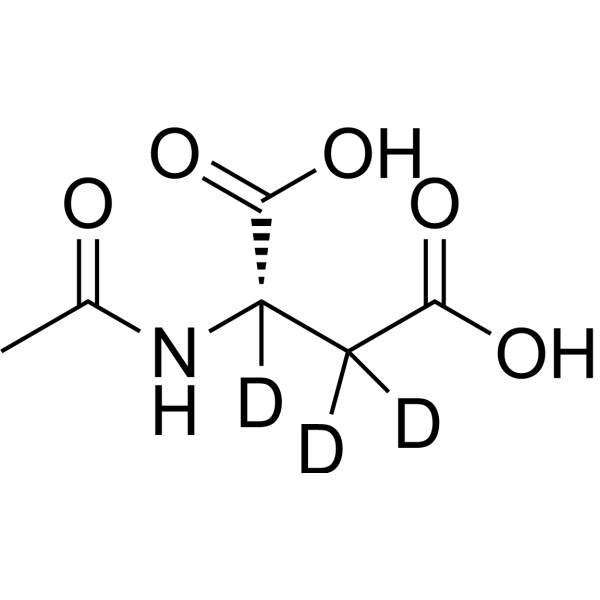 0 ImagesN-Acetyl-L-aspartic acid-d3 is the deuterium labeled N-Acetyl-L-aspartic acid (HY-113524). N-Acetyl-L-aspartic acid is a derivative of Aspartic acid (HY-N0666) and endogenous compound. N-Acetyl-L-aspartic acid acts as an acetyl donor. N-Acetyl-L-aspartic acid is involved in brain metabolism. N-Acetyl-L-aspartic acid is used in the research of neurodegenerative diseases (such as Canavan disease).
-
Maltose-13C12 monohydrate
 0 ImagesCat. No.: HY-N2024AS1Purity: 99.50%Maltose monohydrate-13C12 is the 13C labeled isotope of Maltose monohydrate. Maltose monohydrate is a disaccharide composed of two glucose molecules linked together. Maltose monohydrate is an endogenous metabolic product in plants, yeast, or bacteria, and it participates in carbon source storage and metabolism. Maltose monohydrate is a key core metabolite and main transport form in the temporary starch degradation, carbon output, and subsequent sucrose synthesis metabolism of the night chloroplast. In X. dendrorhous, maltose can act as a sugar donor and is converted into isomaltulose by α-glucosidase. Maltose monohydrate can act as a osmotic agent, supporting continuous capillary ultrafiltration and preventing severe metabolic disorders.
-
L-Pyroglutamic acid-d5
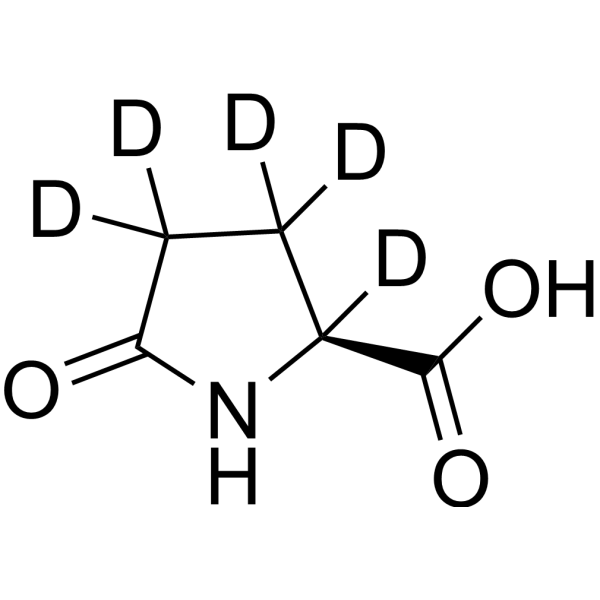 0 ImagesL-Pyroglutamic acid-d5 is the deuterium labeled L-Pyroglutamic acid (HY-76082). L-Pyroglutamic acid is the levo-isomer of Pyroglutamic acid. L-Pyroglutamic acid is the biologically active enantiomer in humans. Pyroglutamic acid is an intermediate in glutathione metabolism.
-
Retinoic acid-d5
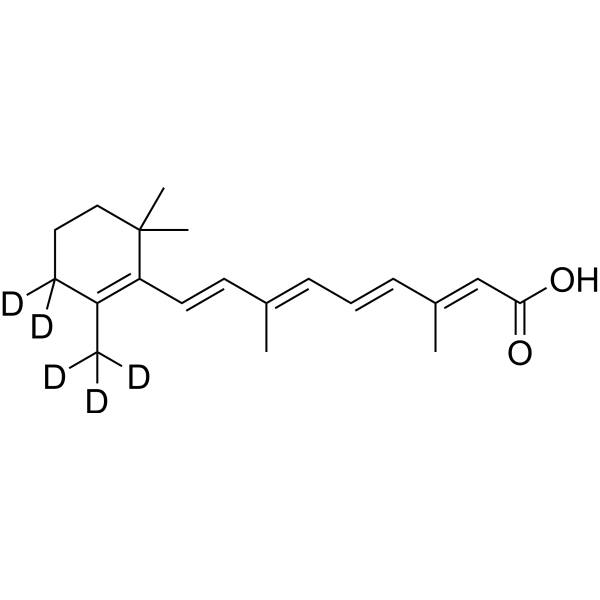 0 ImagesSynonyms: Vitamin A acid-d5; all-trans-Retinoic acid-d5; ATRA-d5Retinoic acid-d5 is the the deuterium labeled Retinoic acid (HY-14649). Retinoic acid is a metabolite of vitamin A that plays important roles in cell growth, differentiation, and organogenesis. Retinoic acid is a natural agonist of RAR nuclear receptors, with IC50s of 14 nM for RARα/β/γ. Retinoic acid bind to PPARβ/δ with Kd of 17 nM. Retinoic acid acts as an inhibitor of transcription factor Nrf2 through activation of retinoic acid receptor alpha.



